


Unlocking Emotions Through Creative Expression
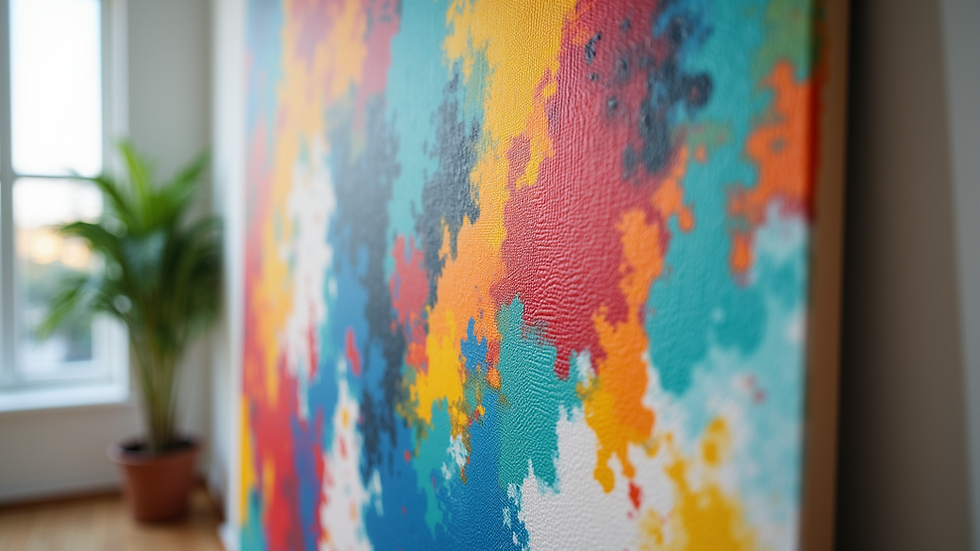
Creative expression is a powerful tool for exploring and understanding our emotions. When words fail, art can speak volumes. Through colors, shapes, and textures, we can unlock feelings that are often hidden deep inside. This process not only helps us process emotions but also promotes healing and self-awareness. In this post, we will explore how expressive art can be a gateway to emotional freedom and personal growth.
The Power of Expressive Art in Emotional Healing
Expressive art is more than just creating beautiful images. It is a form of communication that taps into the subconscious mind. When you engage in expressive art, you allow your emotions to flow freely without judgment or restriction. This can lead to profound insights and emotional release.
For example, someone feeling overwhelmed by anxiety might use bold, chaotic brush strokes to represent their inner turmoil. Another person dealing with grief might choose soft, muted colors to express sadness. These visual representations help externalize feelings, making them easier to understand and manage.
Using expressive art can softly :
Reduce stress and anxiety
Improve mood and emotional resilience
Enhance self-awareness and mindfulness
Foster a sense of accomplishment and empowerment
By embracing this creative outlet, you give yourself permission to explore your emotional landscape in a safe and supportive way.
Exploring Different Forms of Expressive Art
Expressive art is not limited to painting or drawing. It encompasses a wide range of creative activities that allow emotional expression. Some popular forms include:
Painting and Drawing: Using colors and shapes to convey feelings.
Sculpting: Shaping materials like clay to represent emotions physically.
Collage: Combining images and textures to tell a personal story.
Dance and Movement: Expressing emotions through body language.
Writing and Poetry: Using words to explore inner thoughts and feelings.
Each form offers unique benefits and can be tailored to individual preferences. For instance, if you find it hard to sit still, dance might be a more effective way to release emotions than painting. On the other hand, writing can help organize complex feelings into coherent narratives.
Incorporating expressive art techniques into your routine can deepen your emotional exploration. These techniques provide structured ways to engage with your creativity while focusing on emotional healing.

What is expressive art style?
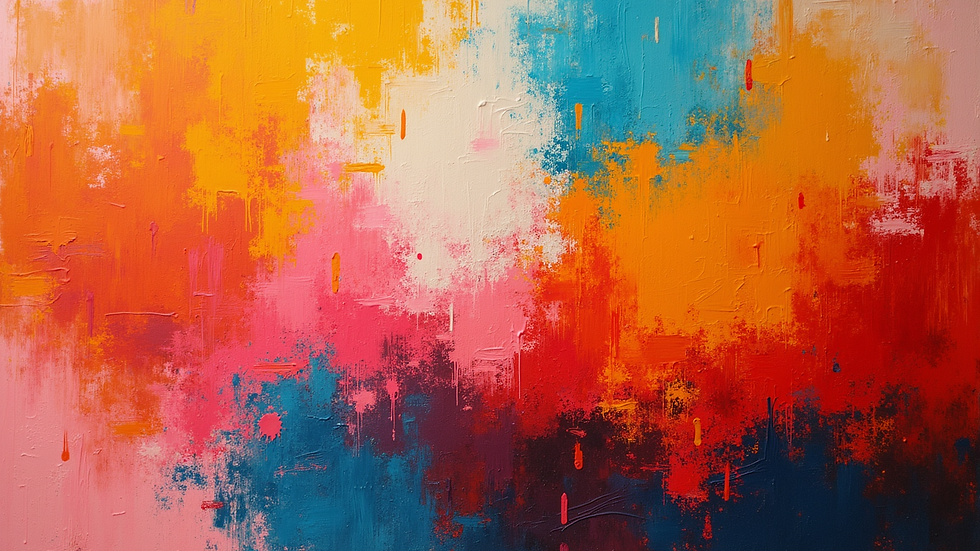
Expressive art style is characterized by its focus on conveying emotion rather than realistic representation. It often features bold colors, exaggerated forms, and spontaneous brushwork. The goal is to capture the essence of an emotional experience rather than its physical details.
This style encourages artists to:
Trust their instincts and intuition
Use symbolism and abstraction
Embrace imperfections and spontaneity
Focus on the process rather than the final product
Famous artists like Edvard Munch and Wassily Kandinsky used expressive art to communicate intense feelings. Their works often evoke strong emotional responses from viewers, demonstrating the power of this style.
For those new to expressive art, starting with simple exercises like free drawing or color exploration can be helpful. The key is to let go of expectations and allow your emotions to guide your creative choices.
Practical Tips for Unlocking Emotions Through Art
If you want to use expressive art to unlock your emotions, here are some practical steps to get started:
Create a Safe Space: Find a quiet, comfortable area where you won’t be disturbed.
Gather Materials: Use whatever you have available - paints, pencils, paper, clay, or even digital tools.
Set an Intention: Decide what emotion or experience you want to explore.
Start Creating: Don’t worry about technique or outcome. Focus on expressing your feelings.
Reflect: After creating, take time to observe your work. What emotions do you see? How do you feel?
Repeat Regularly: Make expressive art a habit to deepen your emotional awareness.
Remember, there is no right or wrong way to do this. The process itself is the healing journey.
Beyond the Canvas: Integrating Expressive Art into Daily Life
Expressive art can extend beyond formal sessions. You can integrate creative expression into your daily routine to maintain emotional balance. Here are some ideas:
Keep a visual journal combining sketches and words.
Use colors to represent your mood each day.
Create small art pieces as emotional check-ins.
Share your art with trusted friends or support groups.
Attend workshops or classes focused on expressive art.
By making art a regular part of your life, you build a stronger connection with your emotions. This ongoing practice can improve your overall well-being and help you navigate life’s challenges with greater ease.
Unlocking emotions through expressive art is a journey of self-discovery and healing. Whether you are new to art or an experienced creator, embracing this form of expression can open doors to deeper understanding and emotional freedom. Start today and see where your creativity takes you.


Comments